The Foundational Four
In the world of calisthenics, complexity must be earned. Before you can defy gravity with a planche or a front lever, you must first master absolute control over the fundamental movement patterns: horizontal pushing, vertical pulling, vertical pushing, and lower body mechanics. We refer to these as the "Big Four": Push-ups, Pull-ups, Dips, and Squats.
1. The Push-Up (Horizontal Push)
The push-up is the ultimate horizontal pressing movement. It builds the chest, anterior deltoids, and triceps, but its true value lies in core stabilization. A proper push-up is a moving plank.
- Form cues: Posterior pelvic tilt to flatten the lower back, elbows tucked at a 45-degree angle, full protraction of the scapula at the top of the movement.
- Progression: Wall push-ups → Incline push-ups → Standard push-ups → Diamond push-ups → Archer push-ups → One-arm push-ups.
- Common error: Flaring the elbows to 90 degrees, which places severe shearing stress on the shoulder joint.
2. The Pull-Up (Vertical Pull)
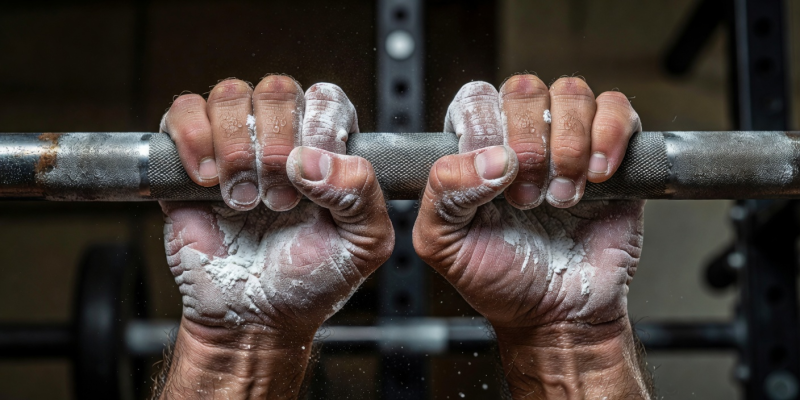
Vertical pulling is vital for back width and bicep strength. The pull-up targets the latissimus dorsi, rhomboids, trapezius, and brachialis. Unlike the chin-up (palms facing you), the pronated grip of the pull-up heavily isolates the back.
- Form cues: Active hang (depressing the scapula), pulling the elbows down and back, clearing the bar with your chin without craning your neck.
- Progression: Australian pull-ups (bodyweight rows) → Negative pull-ups → Band-assisted pull-ups → Standard pull-ups → L-sit pull-ups.
3. The Dip (Vertical Push)
Often called the "upper body squat," the dip requires parallel bars or rings. It is an intense compound movement that heavily loads the triceps, lower chest, and anterior deltoids.
To target the chest, lean forward slightly and let your elbows flare slightly wider. To target the triceps, remain completely upright and keep the elbows strictly tucked against your torso. Depth should go to at least a 90-degree bend at the elbow, provided your shoulder mobility allows it without pain.
4. The Bodyweight Squat (Lower Body)
Calisthenics is often criticized for neglecting the lower body. However, unilateral leg training can provide immense stimulus without external weights.
- Form cues: Keep the heels planted, drive the knees outward in line with the toes, maintain an upright torso.
- Progression: Assisted squats → Deep bodyweight squats → Bulgarian split squats → Shrimp squats → Pistol squats.
Programming the Basics
For beginners, a full-body routine performed three times a week is highly effective. Focus on accumulation of volume with perfect form rather than chasing muscular failure, which compromises technique and increases injury risk. Aim for 3-4 sets of 8-12 repetitions for each movement pattern, leaving 1-2 repetitions in reserve.